
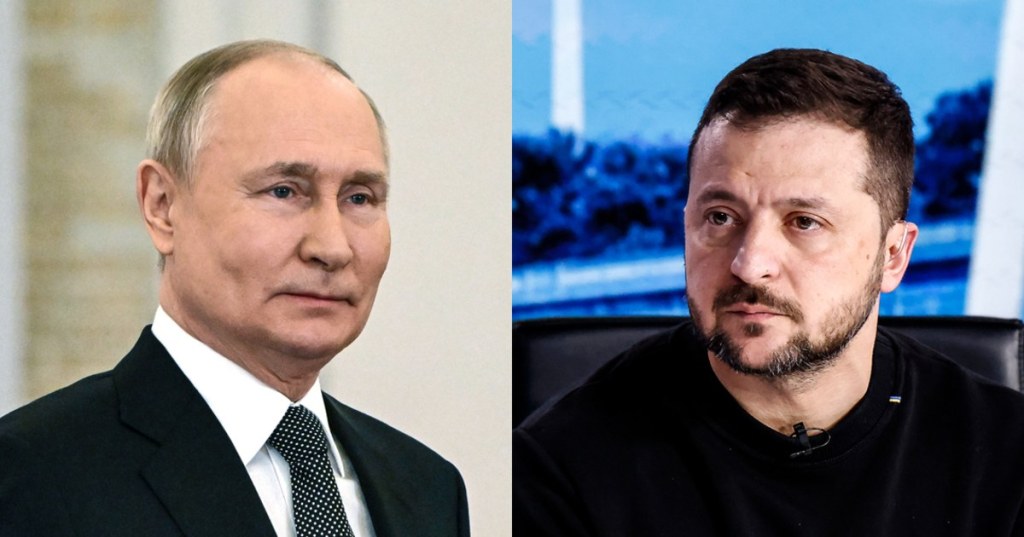
The Russia-Ukraine conflict is a multifaceted and deeply rooted crisis that has dramatically reshaped the political landscape of Europe and the broader international order. It is marked by territorial disputes, political tension, historical grievances, and geopolitical rivalry, with significant humanitarian, economic, and security impacts. Here’s a detailed note on the conflict:
Background and Origins
The roots of the Russia-Ukraine conflict can be traced back to centuries of shared history, but the most immediate causes stem from the breakup of the Soviet Union in 1991. Ukraine declared independence from the Soviet Union in that year, and its new status as a sovereign nation became a central issue between Ukraine and Russia, which sees Ukraine as part of its traditional sphere of influence.
Key milestones in the history of the conflict:
- Post-Soviet Period and Ukraine’s Alignment: After gaining independence in 1991, Ukraine grappled with its identity and its foreign policy direction. The country was divided between those who sought closer ties with Russia and those who wanted to move toward the West, especially with the European Union (EU) and NATO.
- Orange Revolution (2004): Ukraine’s first major political crisis emerged in 2004 when pro-Western candidate Viktor Yushchenko won the presidency, triggering protests from pro-Russian factions. The Orange Revolution marked a shift in Ukraine’s trajectory towards European integration, a stance that alarmed Russia.
- Euromaidan (2013-2014): The immediate trigger for the conflict came in late 2013 when then-President Viktor Yanukovych (who had strong ties to Russia) suspended an association agreement with the European Union in favor of closer economic relations with Russia. This led to mass protests (known as Euromaidan) against his government. The protests ultimately led to Yanukovych’s ousting in February 2014.
- Annexation of Crimea (2014): In the aftermath of Yanukovych’s removal, Russia moved swiftly to annex Crimea in March 2014, a region with a large Russian-speaking population and a strategic military importance, particularly for Russia’s Black Sea Fleet. This action was widely condemned by the international community, which considered it a violation of Ukraine’s sovereignty. Russia, however, justified its actions by citing the protection of ethnic Russians and Russian speakers in Crimea.
- War in Donbas (2014-present): Following Crimea’s annexation, pro-Russian separatists in the Donetsk and Luhansk regions of eastern Ukraine (collectively known as Donbas) declared independence, supported by Russia. This led to armed conflict between Ukrainian forces and the separatists, who were backed by Russian military personnel and equipment. The conflict in Donbas has resulted in thousands of deaths and has displaced many people, creating a humanitarian crisis in the region.
Key Events in the Ongoing Conflict (2022-Present)
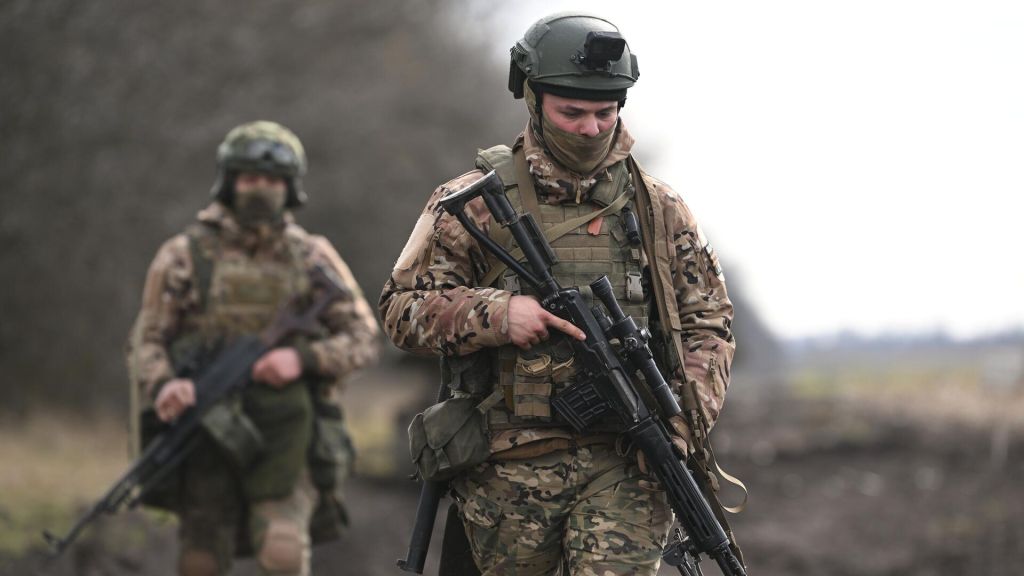
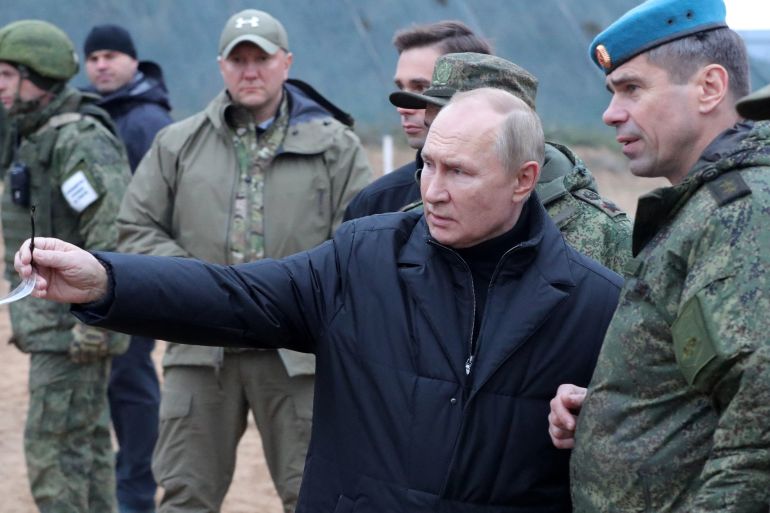
- Russian Invasion of Ukraine (2022): On February 24, 2022, Russia launched a full-scale military invasion of Ukraine, marking a major escalation in the conflict. Russian President Vladimir Putin justified the invasion by alleging that Ukraine’s alignment with the West and its potential NATO membership posed a threat to Russia’s security. The invasion was widely condemned by the international community, which imposed severe economic sanctions on Russia. The invasion was characterized by a rapid advance of Russian forces into Ukrainian territory, including attempts to seize Kyiv, the capital of Ukraine, and major cities across the country. However, Ukraine mounted a resilient defense, aided by Western military aid, intelligence, and sanctions against Russia.
- Ukrainian Resistance and Counteroffensive: Ukrainian forces mounted an unexpected and highly successful resistance against Russian forces, particularly in Kyiv, where Russian troops were forced to withdraw after fierce fighting. Ukrainian forces, bolstered by modern weaponry from NATO countries such as the U.S., the U.K., and European nations, launched a series of counteroffensives in the summer and fall of 2022. Key cities, such as Kherson, were recaptured by Ukrainian forces.
- Russian Military Setbacks: Russia faced significant setbacks in its military operations. The war has been far more difficult and costly than anticipated. Western military support for Ukraine, including advanced missile systems, air-defense systems, and tanks, has bolstered Ukraine’s defense capabilities. Furthermore, Russia’s military has been plagued by logistical challenges, equipment shortages, and issues with morale.
- International Support for Ukraine: The conflict has prompted an unprecedented wave of international support for Ukraine, primarily from the United States, the European Union, and NATO. This support has come in the form of financial aid, military assistance, humanitarian aid, and sanctions on Russia. These actions have helped Ukraine withstand Russian advances and even gain ground in some areas.
- Humanitarian Crisis: The conflict has resulted in a massive humanitarian crisis. Millions of people have been displaced, both internally and externally, with over 5 million Ukrainian refugees fleeing to neighboring countries, particularly Poland. Thousands of civilians have been killed, and large parts of Ukraine, especially in the east, have been devastated by artillery strikes, airstrikes, and ground combat.
- Economic Impact: The war has also had significant global economic consequences. The conflict has led to soaring energy prices, particularly oil and natural gas, with Russia being a major global supplier. Western sanctions on Russia have led to a contraction in the Russian economy, while Ukraine’s economy has been severely affected by the destruction of infrastructure and the loss of key industrial regions in the east.
- Diplomatic Efforts and Ceasefire Negotiations: Various international actors have called for ceasefire agreements and peace negotiations, but these efforts have largely failed. The situation remains volatile, with both sides unwilling to make significant concessions. Ukraine has insisted on territorial integrity and sovereignty, while Russia has demanded guarantees to prevent Ukraine from joining NATO.
- War Crimes and Atrocities: Both sides have been accused of committing war crimes. Russia has faced allegations of targeting civilians, committing mass executions, and other atrocities in occupied Ukrainian territories. Ukraine has also faced criticism, albeit less widespread, for the treatment of Russian prisoners of war and other alleged incidents.
Key Issues and Geopolitical Implications
- NATO and EU Expansion: One of Russia’s main grievances is the potential inclusion of Ukraine in NATO, which it perceives as a direct threat to its security. NATO’s eastward expansion after the Cold War has been a long-standing point of contention between Russia and the West.
- Energy Politics: The war has drastically affected global energy markets, as Europe has sought to reduce its dependence on Russian energy resources. The EU has been actively working to diversify its energy sources, while Russia has used energy exports as leverage in the conflict.
- Global Security and Stability: The conflict has implications for global security and has rekindled fears of a wider confrontation between NATO and Russia. The situation has raised concerns about the potential use of nuclear weapons, as Russia has occasionally threatened nuclear escalation, though NATO powers have refrained from direct military intervention in Ukraine.
- Internal Russian Politics: The war has put significant pressure on Russia’s domestic political stability. While Putin’s government retains significant popular support, there is growing discontent within parts of the Russian population, especially amid economic hardship caused by sanctions and military setbacks.
Outlook and Future Prospects
The future of the Russia-Ukraine conflict remains uncertain, with several potential outcomes:
- Protracted Conflict: The war could drag on for years, leading to a protracted and devastating conflict. Both sides appear determined to continue fighting, and the chances for a negotiated settlement remain low.
- Diplomatic Resolution: Despite the current deadlock, there may be a possibility for peace talks in the future, although this would require significant concessions from both Russia and Ukraine, as well as strong international mediation.
- Escalation: There is a real risk that the war could escalate further, especially if Russia seeks to escalate its military tactics, possibly using more destructive weapons. The involvement of NATO or other international powers could increase the risks of a wider conflict.
- Ukrainian Victory: The ultimate goal for Ukraine is to restore its territorial integrity, including Crimea and the Donbas region. While Ukraine’s military victories in 2022 have raised optimism, achieving this goal will require continued military and financial support from the West.
Concclusion
The Russia-Ukraine conflict is a profound and devastating crisis with far-reaching consequences for Europe, the international community, and global geopolitics. It is a struggle not only for territorial control but also for national sovereignty, political alignment, and global security. The path to peace remains elusive, and the world watches with bated breath as the conflict unfolds.
Source : ChatGPT








 BoldVoices.in
Leave a comment